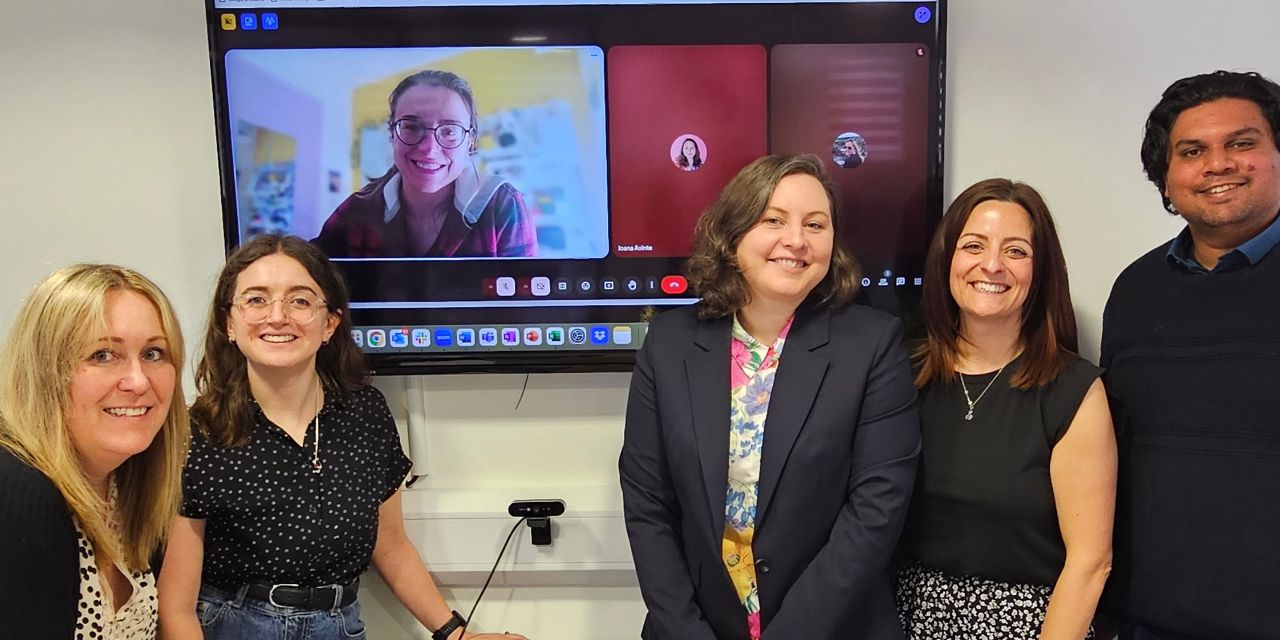
Play Moments is partnering with Social Change, a behaviour change agency specialising in research, behavioural insight and co-design, as part of our Innovate UK-funded Design Foundations project.
The collaboration marks an important step in the development of Play Moments as we move from an early concept towards a solution shaped directly by the families and professionals who could ultimately use it.
Our ambition is simple: to make high-quality early-years support easier for families to access and use in everyday life.
But before deciding exactly what that support should look like, we want to understand the problem properly.
Starting with people, not technology
Parents are surrounded by information about how their child should be developing.
What is often much harder is knowing what to actually do.
Advice can be generic, fragmented or difficult to translate into everyday routines. Families have different circumstances, confidence levels, time, resources and needs, which means that a solution that works well for one family may not work for another.
That is why this stage of Play Moments is focused less on asking "What features should we build?" and more on understanding:
What gets in the way of parents supporting their child's development, and what would genuinely make that easier?
Working with Social Change will allow us to explore those questions through a behavioural science lens.
Together, we will speak directly with parents and carers, explore the realities of family life, understand the behaviours and barriers surrounding play and early development, and involve families in shaping potential solutions.
Designing with families
Rather than building a product and asking families whether they like it afterwards, we want parents and carers involved throughout the process.
The project will combine research, behavioural insight and co-design to explore questions including:
- What do parents currently do when they want to support their child's development?
- Where do they look for advice and who do they trust?
- What makes it difficult to turn advice into action?
- How do time, confidence, cost and family routines influence what parents can realistically do?
- What would make developmental activities feel useful rather than like another task?
- Where could digital technology help, and where might it get in the way?
These insights will help us challenge our assumptions and make better decisions about the future direction of Play Moments.
Why Social Change
Social Change works at the intersection of behavioural science, research, co-creation and social impact.
That combination is particularly important for Play Moments because our challenge is not simply to provide families with more information.
Information alone rarely changes behaviour.
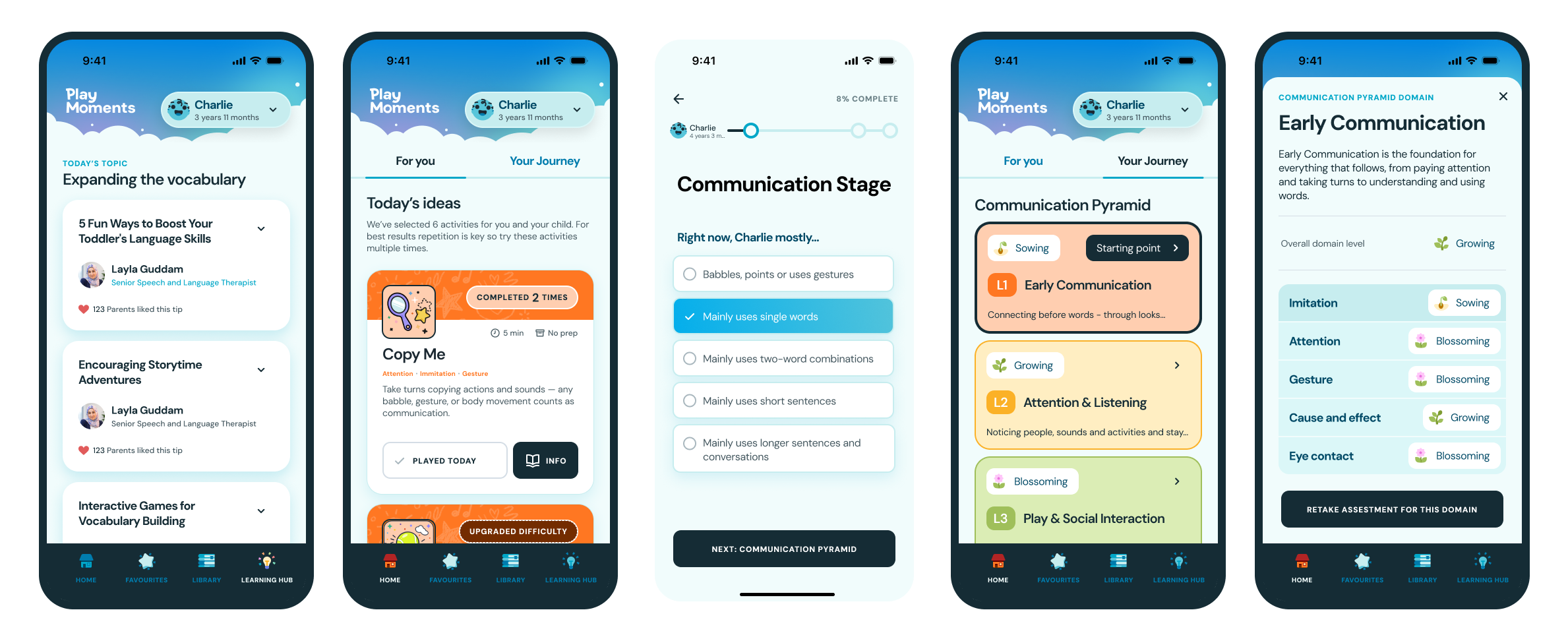
To create something families actually use, we need to understand what makes an activity feel achievable, what motivates parents to take part, how support can fit into existing routines and what helps new behaviours become sustainable over time.
The Social Change team will bring behavioural insight and co-design expertise to help us explore these questions alongside families and early-years stakeholders.
"The temptation when building something new is to move quickly into creating the solution. This project gives us the opportunity to do the opposite: spend time understanding families first. We want Play Moments to fit into real family life, not an idealised version of it. Working with Social Change allows us to understand the behaviours, barriers and motivations behind what parents actually do, so we can build around those realities."
Ioana Axinte, Co-founder of Play Moments
Social Change has also described Play Moments as a project focused on meeting families where they are, with its team bringing behavioural insight and co-design into the Innovate UK-funded work.
What happens next
Over the coming months, the Play Moments and Social Change teams will work with parents, carers and early-years professionals through research and co-design.
The findings will help shape the next iteration of Play Moments, from the problems we prioritise and the experience we design to how personalised support could work in practice.
Importantly, we are entering this stage without assuming that every part of our original idea is right.
Families and early-years professionals interested in contributing to the research can register their interest at playmoments.app.