When we began our Innovate UK Design Foundations project, one of our biggest priorities was making sure that Play Moments was shaped by the experiences of families themselves.
We partnered with Social Change to undertake a substantial programme of research with parents and carers, combining large-scale quantitative research with in-person conversations and co-design. The aim was to better understand how parents experience play and connection with their children, the pressures they face in everyday family life, and where additional support could make a meaningful difference.
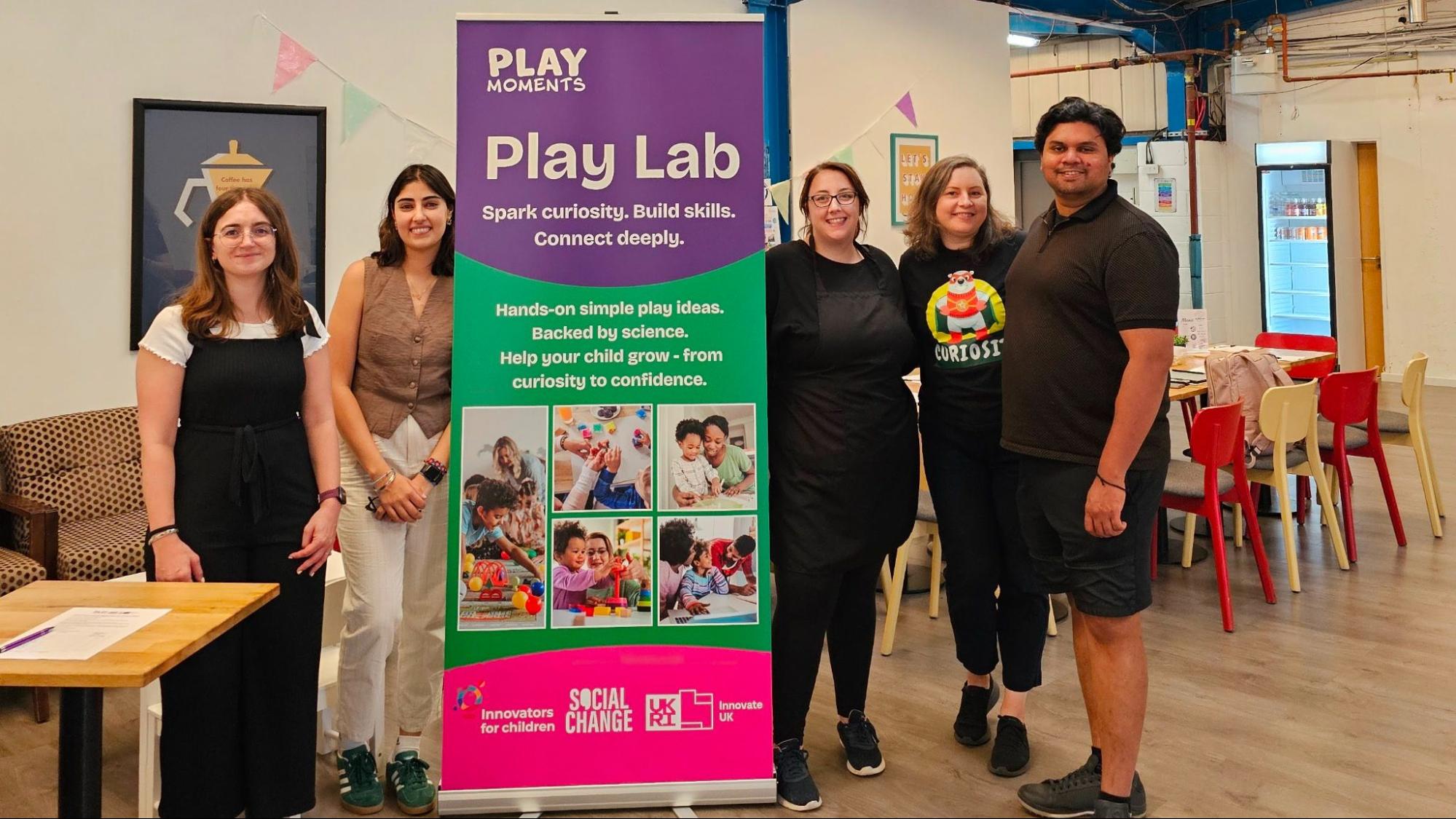
The research involved a UK-wide survey that received 503 eligible responses from parents, alongside four in-person workshops with 27 parents in Birmingham and Wolverhampton. The workshops were deliberately held in play cafés and soft-play environments, allowing parents to bring their children and take part without needing to arrange separate childcare. This also meant that conversations took place within environments that reflected the realities of family life.
Together, the survey and workshops gave us a much richer understanding of the experiences behind the numbers.
Parents consistently told us that spending meaningful time with their children matters enormously to them. When asked how they felt during play and connection, many described feelings of happiness and closeness. At the same time, the research highlighted how difficult it can be to protect that time within busy family lives. Work, caring responsibilities, tiredness and a lack of time were among the most common challenges parents described.
The research found that 60% of parents said other responsibilities such as work or caring for other children could get in the way of quality time, while 50% said they were often too tired or mentally drained and 43% felt they did not have enough time. Despite those pressures, families continued to place significant value on everyday opportunities to connect, with outdoor play, reading and calmer activities such as cuddling and bedtime stories among the most common ways parents spent time with their children.
The conversations also highlighted that play does not always come naturally or easily to every parent. Some parents described feeling unsure about imaginative or open-ended play, particularly when they did not know how to continue an activity or what to do next. More structured activities could feel easier to approach, while unstructured play sometimes left parents feeling uncomfortable or lacking confidence.
This was an important reminder that encouraging parents to "play more" is not always enough. Families can already understand the importance of play while still needing reassurance, ideas and support that help them feel confident about what meaningful interaction can look like.
Another strong theme was the pressure many parents feel around whether they are doing enough. Workshop participants spoke about comparing themselves with other families, worrying about judgement and seeing idealised versions of parenting online that could feel impossible to live up to. Some parents also described how their confidence changed depending on the stage of their parenting journey, particularly when navigating new experiences with their first child.
Technology was another recurring part of those conversations. Parents described complicated feelings about screens, recognising that they can sometimes provide a practical way to manage difficult moments while also expressing a desire for more opportunities for connection away from devices. The research showed that parents were often trying to balance the realities of busy family life with their aspirations for how they wanted to spend time together.
The workshops also reinforced how different every family's circumstances can be. Parents managing children of different ages spoke about the challenge of finding activities that worked for everyone, while some families described difficulties accessing support when they had concerns about their child but did not yet have a diagnosis or clear route into services. Others spoke about the importance of informal support networks and the reassurance that can come from connecting with parents experiencing similar challenges.
For Play Moments, the research was valuable because it moved the conversation beyond assumptions about what families need. It allowed us to hear directly about the competing demands, emotions and everyday realities that influence how parents spend time with their children.
"One of the most important things we wanted from this project was to genuinely listen before deciding what came next. Parents care deeply about supporting their children, but family life is busy, unpredictable and often exhausting. The research helped us understand those realities with much greater depth and reminded us that support needs to respect the lives families are already living."
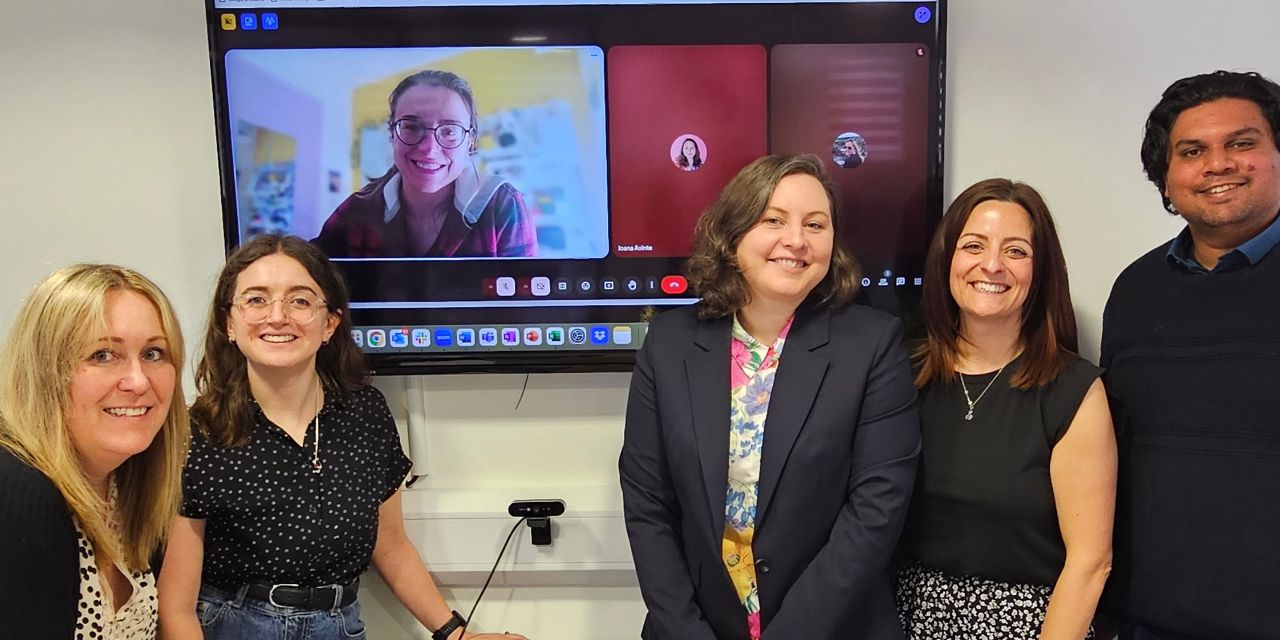
Ioana Axinte, Founder of Play Moments
The work also demonstrated the value of bringing families into the innovation process early. Rather than developing solutions in isolation, the project created opportunities for parents to share their experiences, challenge assumptions and contribute directly to the thinking around the future of Play Moments.
The final research report, prepared by Social Change in October 2025, brought together the findings from the survey, workshops and wider research and provided Play Moments with a strong evidence base for the next stage of its development.
Most importantly, the project reinforced a principle that continues to guide our work: meaningful early-years innovation has to begin by understanding families as they really are, not as we imagine them to be.
For everyone at Play Moments, the hundreds of parents who gave their time, shared their experiences and spoke openly about the realities of family life have helped create a much stronger foundation for what comes next.